Tracing Regulatory Influences on Payment Flow Security Within Nordic Mobile Betting Ecosystems
Iris Powell · Oct 4, 2026
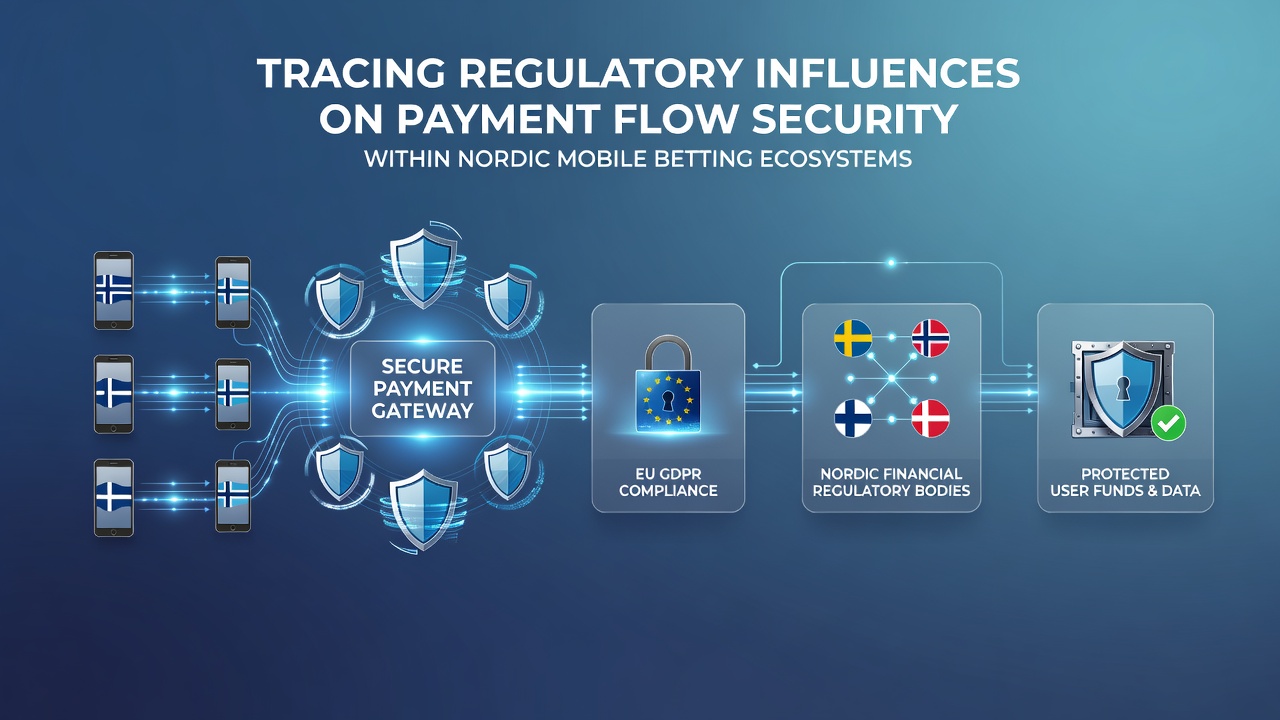
Tracing Regulatory Influences on Payment Flow Security Within Nordic Mobile Betting Ecosystems
Nordic mobile betting ecosystems have developed distinct payment security frameworks shaped by overlapping national regulations and EU-wide directives that emphasize transaction monitoring and data protection. Denmark, Norway, Finland, and Iceland each maintain separate licensing regimes while aligning on core principles for anti-money laundering controls and secure payment routing in mobile applications. These rules directly influence how operators process deposits, withdrawals, and real-time verifications across smartphone platforms.
Core Regulatory Mechanisms Across Nordic Jurisdictions
Payment flow security in these markets centers on mandatory integration of know-your-customer protocols with every transaction exceeding defined thresholds. Regulators require operators to embed automated screening tools that cross-reference user data against national and international watchlists before funds move through mobile wallets or bank transfers. In practice this creates layered verification steps that slow initial deposits but reduce exposure to fraudulent activity. Data from industry reports shows that such measures have lowered unauthorized transaction rates in licensed Nordic apps by measurable margins since their phased rollout began several years ago.
Norway's gambling authority enforces strict separation between player funds and operator accounts, compelling mobile platforms to route all betting-related payments through segregated escrow systems monitored in real time. Finland follows a similar model under its state-controlled framework, where centralized payment gateways handle security checks before any mobile transfer reaches a betting interface. Denmark's licensing body applies equivalent standards through its Spillemyndigheden oversight, requiring continuous logging of payment metadata that auditors can access on demand. These national approaches converge on the requirement that operators demonstrate compliance through documented audit trails rather than periodic self-reporting alone.
Impact of EU Payment Directives on Mobile Security Standards
The revised Payment Services Directive has prompted Nordic regulators to mandate stronger authentication for mobile betting transactions, including dynamic linking of payment requests to specific devices and sessions. Operators must now support strong customer authentication methods that combine biometric data with one-time codes generated outside the betting application itself. This shift affects how funds flow from bank accounts into gaming wallets and back out again, particularly for cross-border users who operate across Nordic borders. Observers note that implementation timelines varied by country, with full compliance deadlines falling in late 2025 and subsequent refinement periods extending into 2026.
By October 2026, updated reporting formats for suspicious payment patterns will take effect across several Nordic jurisdictions, requiring operators to submit standardized digital files rather than narrative summaries. These changes build on existing transaction monitoring systems and aim to improve interoperability between national authorities when investigating cross-border betting activity. Industry analyses indicate that the new formats will incorporate machine-readable fields for velocity checks, device fingerprinting, and geographic anomalies detected during mobile sessions.
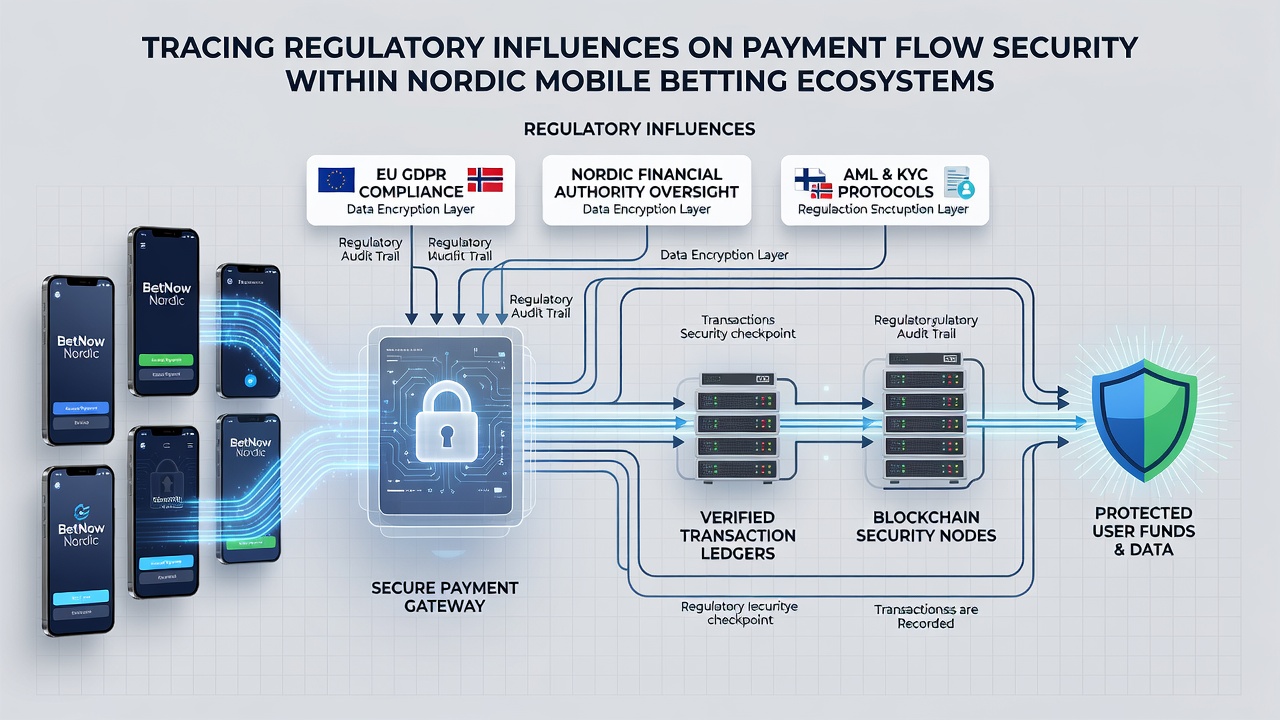
Case Examples of Regulatory Influence on Platform Design
One operator group operating across Denmark and Finland adjusted its mobile withdrawal protocols after national guidance clarified that all large payouts must undergo secondary human review within a fixed window. The adjustment involved redesigning the in-app confirmation flow to flag high-value transfers automatically and route them to compliance queues before release. Similar adjustments occurred in Norway when regulators issued updated guidance on tokenization standards for stored payment credentials used in recurring deposits. These examples illustrate how specific regulatory clarifications translate into concrete changes in the user journey and backend security architecture.
Academic studies from Nordic universities have examined how these security layers interact with user behavior, revealing that stricter authentication steps correlate with higher abandonment rates at the deposit stage yet lower overall chargeback volumes once accounts are active. Researchers at institutions in Oslo and Copenhagen have published comparative data showing that platforms incorporating biometric confirmation early in the payment sequence experience fewer disputes related to unauthorized access. Such findings feed back into regulatory consultations when authorities consider adjustments to existing mandates.
Emerging Standards and Cross-Border Considerations
Cooperation between Nordic regulators has increased through joint working groups focused on harmonizing payment security benchmarks without creating a single supranational license. These discussions address topics such as shared blacklists for compromised payment instruments and coordinated responses to emerging threats like SIM-swap attacks targeting mobile users. Although each country retains sovereign control over its licensing decisions, the technical standards applied to payment flows show growing alignment, particularly in the treatment of digital wallets and instant bank transfers.
External benchmarks drawn from non-European sources, including reports issued by the Financial Crimes Enforcement Network in the United States and research papers from Canadian gaming policy centers, have informed some of the technical specifications Nordic operators now implement. These references provide comparative data on detection algorithms and help regulators evaluate whether domestic rules keep pace with evolving payment technologies used in mobile betting environments.
Conclusion
Regulatory influences on payment flow security within Nordic mobile betting ecosystems continue to evolve through iterative updates to licensing conditions, technical standards, and reporting obligations. National authorities maintain distinct approaches while responding to shared technological developments and EU directives that shape authentication requirements. The resulting frameworks emphasize documented compliance, real-time monitoring, and cross-border information exchange, producing measurable effects on how operators design and secure their mobile payment pathways. As new reporting formats activate in October 2026 and further technical refinements occur, these systems will likely incorporate additional layers of automation and interoperability without altering the fundamental objective of protecting transaction integrity across the region.