Swedish Gambling Regulations Shape Mobile Platform Safeguards Through Spelinspektionen Mandates
Ulrich Schmidt · Sep 6, 2026
Swedish Gambling Regulations Shape Mobile Platform Safeguards Through Spelinspektionen Mandates
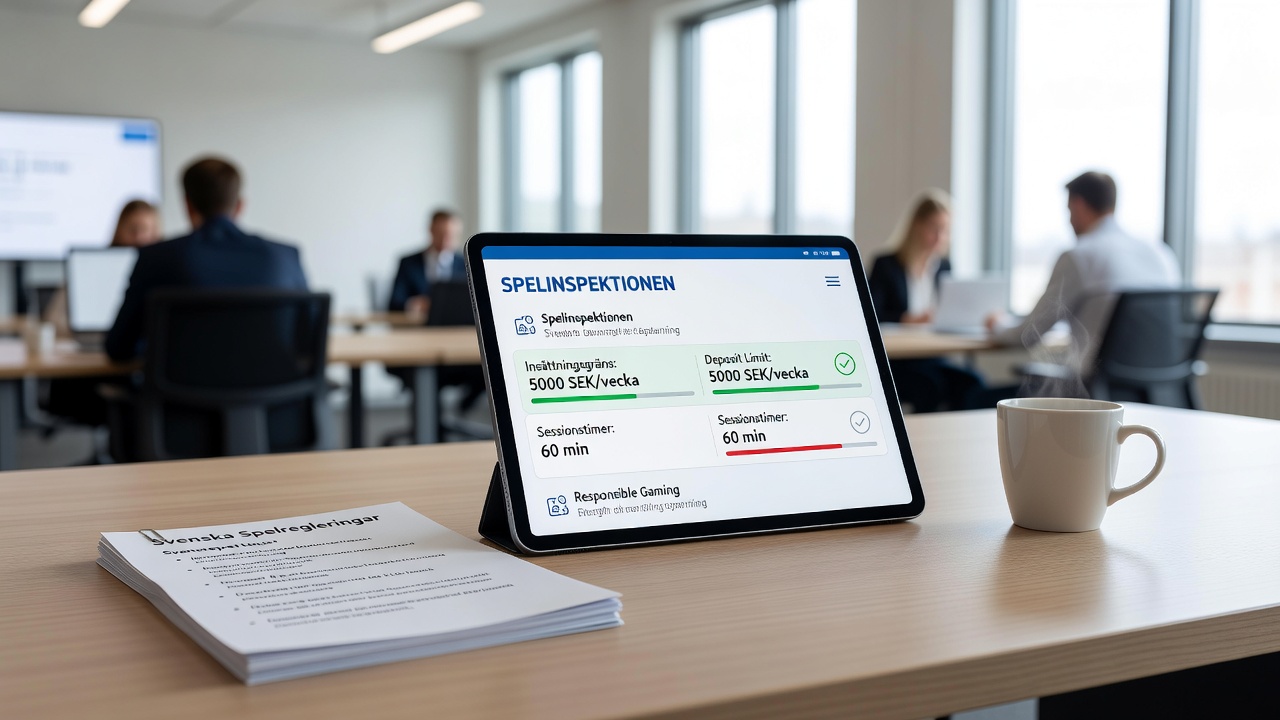
Sweden introduced a re-regulated gambling market in 2019 that placed Spelinspektionen at the center of oversight, and this framework quickly extended its reach into mobile platforms where operators must embed deposit limits and session time controls as standard features. Those requirements emerged from legislation that aimed to balance commercial activity with structured player protection, and they have since influenced how apps display spending caps, time alerts, and mandatory breaks across devices. Data from the authority shows that licensed operators processed millions of player accounts under these rules by 2024, with mobile channels accounting for the majority of activity.
Background on Spelinspektionen Oversight
Spelinspektionen received expanded powers when the Swedish parliament passed the Gambling Act, and the agency began issuing licenses while enforcing technical standards that mobile developers must meet before launch. Observers note that earlier systems relied on state monopolies, yet the shift to a competitive market brought stricter documentation for every safeguard tool. Research from European gambling studies indicates that Sweden's model drew from experiences in other regulated jurisdictions, and operators adapted by integrating real-time monitoring directly into their mobile codebases.
Requirements cover both deposit thresholds and session durations, with platforms required to prompt users at set intervals and prevent further play once limits are reached. Figures released by Spelinspektionen reveal that average deposit limits set by players range from a few hundred kronor per month upward, while session timers often default to one hour before a forced pause. Mobile interfaces display these settings prominently, and failure to comply has led to license reviews in documented cases.
Deposit Limit Requirements on Mobile Apps
Every licensed operator must allow players to establish daily, weekly, and monthly deposit ceilings through the app itself, and these controls activate immediately upon account creation. Spelinspektionen audits show that systems block transactions once ceilings are met, and users receive clear notifications before any attempt exceeds the chosen amount. Developers integrate these functions into payment flows so that mobile wallets and card processors respect the same boundaries without workarounds.
What's notable is how these limits interact with verification processes, because identity checks occur at registration and again when higher thresholds are requested. Studies compiled by Nordic research centers indicate that players who set limits early tend to maintain them longer, and mobile data analytics help operators track adherence patterns without revealing personal details. One documented adjustment in 2023 required apps to prevent limit increases within a 24-hour window, closing a potential loophole that had appeared in earlier versions.
Session Time Controls and Reality Checks
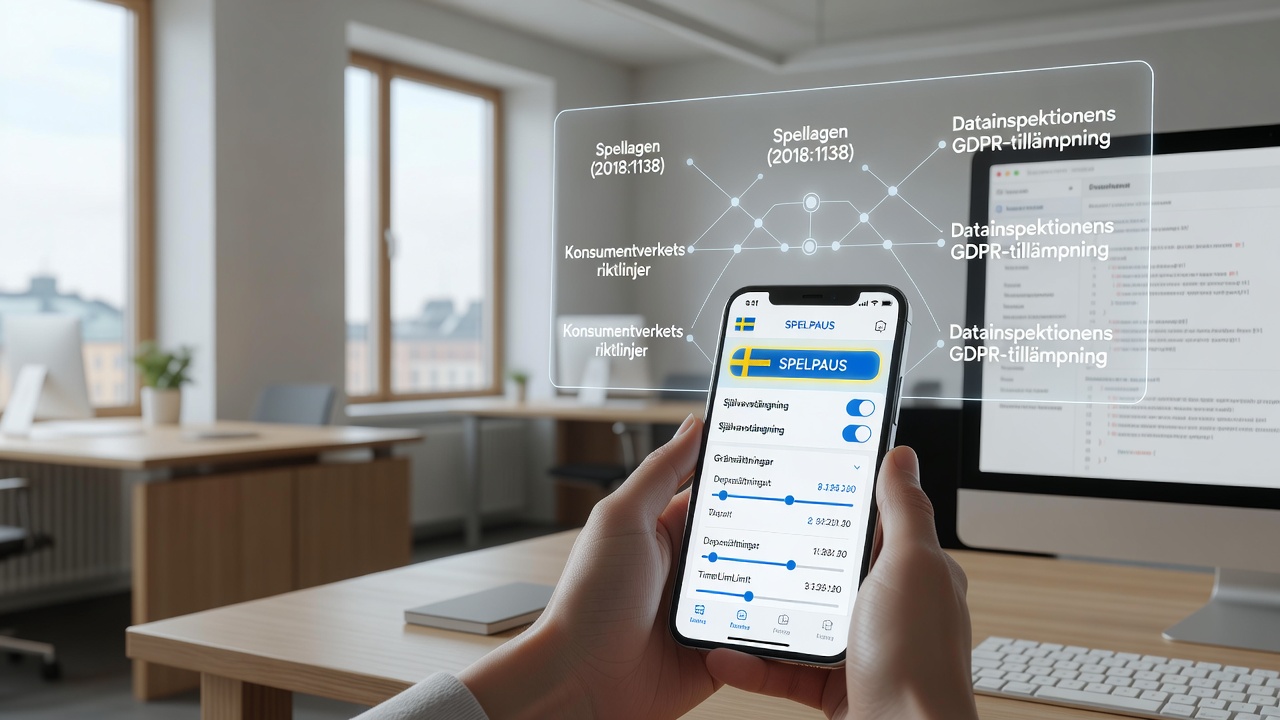
Session timers mandate that platforms track continuous play and interrupt activity after a predetermined period, often sixty minutes, with an option for shorter intervals. Spelinspektionen guidelines specify that the interruption must include a clear message and a mandatory pause before resumption, and mobile apps cannot resume automatically without explicit confirmation. Data collected through 2025 demonstrated that these interruptions reduced extended sessions on average by measurable percentages across licensed sites.
Reality checks appear as periodic summaries of time spent and amounts wagered, and operators must deliver them at least every thirty minutes during active play. Those who have examined compliance reports note that integration with push notifications on smartphones allows alerts to reach users even when the app runs in the background. Adjustments scheduled for September 2026 will introduce tighter synchronization between session data and cross-device tracking, ensuring that a player switching from phone to tablet encounters consistent timers rather than reset counters.
Impact on Mobile Platform Development
Technical specifications issued by Spelinspektionen require that all gambling software undergo testing for safeguard functionality before approval, and mobile platforms face additional scrutiny because of their portability and constant connectivity. Developers build these features into the core architecture rather than as add-ons, and third-party certification labs verify that deposit and time controls function across operating systems. Evidence from industry reports shows that companies updated their APIs to support real-time limit enforcement after the initial licensing round, and ongoing audits continue to refine these integrations.
Platforms must also maintain logs that authorities can review, yet privacy rules limit data retention to necessary periods. Observers point out that this balance has encouraged the use of aggregated analytics instead of individual tracking in many systems, and September 2026 updates will further standardize reporting formats to ease cross-border comparisons within the European framework. Operators outside Sweden have examined these mobile implementations when designing their own compliance layers, particularly in markets that value similar limit structures.
Future Adjustments and September 2026 Developments
Spelinspektionen has signaled that additional refinements will take effect in September 2026, including enhanced requirements for multi-account detection and improved visibility of limit settings on smaller screens. These changes respond to patterns identified in compliance data collected over the preceding years, and mobile operators are already preparing interface revisions to accommodate them. Research indicates that such iterative updates help maintain relevance as technology evolves, and authorities plan to publish detailed guidance well in advance of the deadline.
Links to external analyses appear in official documentation, including references to Spelinspektionen reports and comparative studies from the OECD gambling policy reviews that place Swedish practices alongside those in other jurisdictions. Mobile platforms continue to adapt their designs to meet these evolving standards while preserving core gameplay features.
Conclusion
Swedish regulations administered through Spelinspektionen have established clear parameters for deposit limits and session times that mobile platforms must incorporate as core functions. These measures emerged from legislative reforms and continue to evolve with scheduled updates in September 2026, reflecting ongoing data collection and technical refinement. Operators and developers maintain compliance through integrated tools, audited systems, and documented reporting that supports the authority's oversight objectives.