Decoding Intersections Between Self-Exclusion Protocols and Transaction Security in Licensed Swedish Mobile Gaming Applications
Iris Powell · Sep 20, 2026
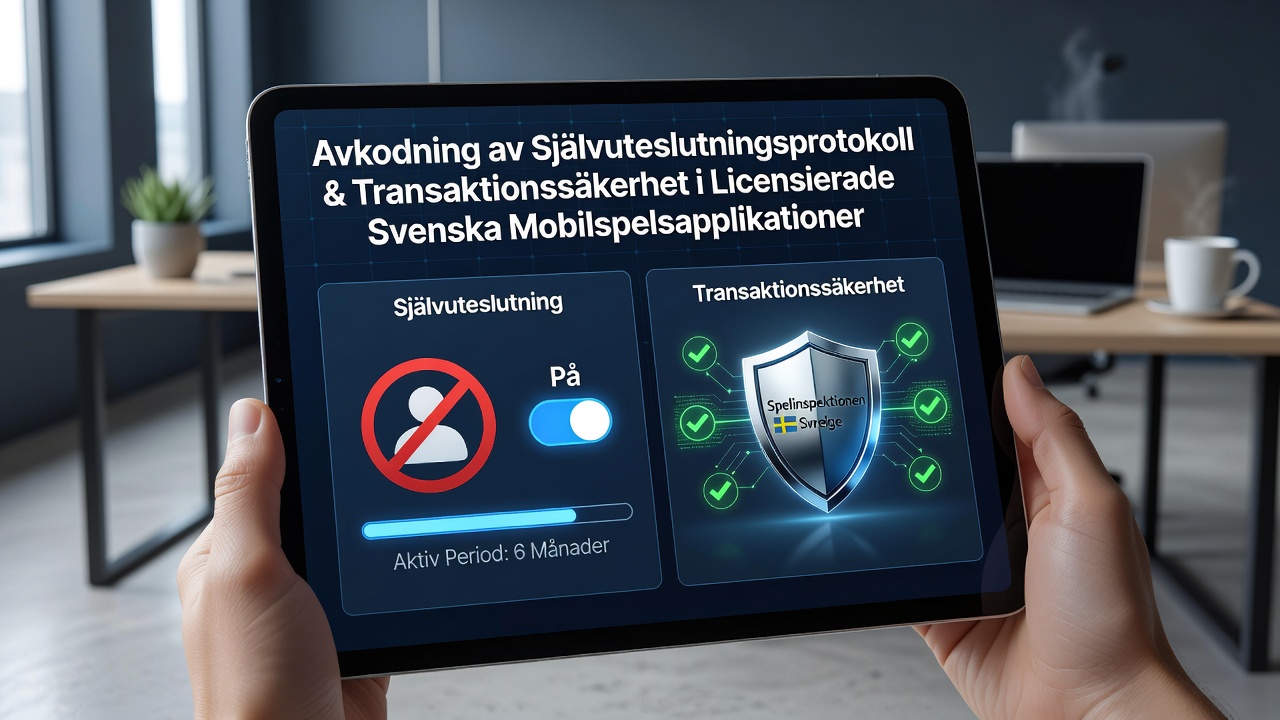
Decoding Intersections Between Self-Exclusion Protocols and Transaction Security in Licensed Swedish Mobile Gaming Applications
Swedish mobile gaming applications operate under strict oversight from Spelinspektionen, the national regulatory authority that enforces self-exclusion protocols alongside transaction security requirements for all licensed operators. These two systems intersect at multiple points, creating layered protections that prevent excluded individuals from accessing funds or placing bets while maintaining encrypted payment pathways for active users.
Self-Exclusion Frameworks and Their Core Functions
Self-exclusion in Sweden centers on the national Spelpaus register, a centralized database that licensed operators must query in real time before processing any account activity or financial transaction. Researchers at the Swedish National Institute of Public Health have documented how this system blocks registration attempts, login sessions, and deposit requests across all connected platforms once an individual enrolls. Data from Spelinspektionen shows that over 80,000 people had active Spelpaus registrations by mid-2025, with mobile applications accounting for the majority of verification checks because of their high user volume.
Operators integrate Spelpaus queries directly into their backend systems, which means a single API call can halt both gameplay and any associated money movement. This linkage ensures that excluded accounts cannot bypass restrictions through alternative payment methods or device switching, since the national register operates independently of individual operator databases.
Transaction Security Requirements in Mobile Environments
Licensed Swedish mobile gaming applications must comply with technical standards that mandate end-to-end encryption, multi-factor authentication, and real-time fraud detection for every financial operation. Spelinspektionen guidelines require operators to maintain separate security layers for identity verification and payment processing, which prevents unauthorized access even when self-exclusion status changes. Mobile-specific rules address device fingerprinting and geolocation checks that confirm users remain within Swedish jurisdiction during transactions.
Where Self-Exclusion and Transaction Security Overlap
The technical intersection occurs when a Spelpaus query returns a positive match, triggering an automatic freeze on all pending and future transactions without requiring separate intervention from the payment processor. Security protocols then log the exclusion event in immutable audit trails that operators must retain for regulatory review. This automated response reduces human error and ensures consistent enforcement across thousands of daily mobile sessions.
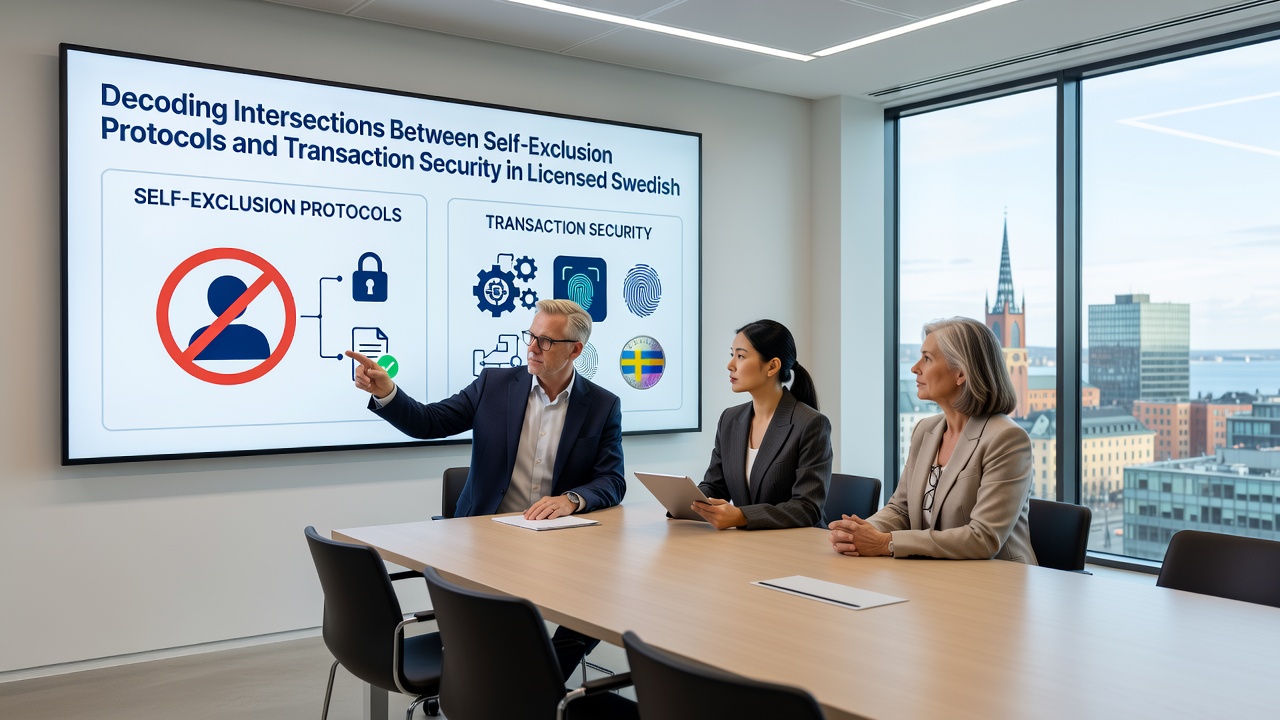
Payment gateways used by licensed operators receive exclusion flags through encrypted channels, which stops deposits and withdrawals alike while preserving the ability to process refunds for previously completed transactions. Observers note that this dual functionality maintains financial integrity for users who later seek to recover funds after exclusion periods end. Studies from the European Gaming and Betting Association indicate that integrated systems like these reduce unauthorized transaction attempts by measurable margins compared with non-centralized models.
Mobile-Specific Implementation Challenges and Solutions
Mobile applications face unique constraints because users frequently switch devices and network connections, requiring persistent token-based verification that survives app reinstalls and operating system updates. Developers address these issues by embedding Spelpaus checks into the initial session handshake, which occurs before any transaction interface loads. This sequencing prevents excluded users from reaching payment screens at all.
Operators also employ behavioral analytics that flag unusual transaction patterns potentially linked to attempts at circumventing self-exclusion, such as repeated small deposits or rapid device changes. These analytics feed into the same security infrastructure that handles exclusion enforcement, creating a unified monitoring layer rather than separate modules that could fall out of sync.
Developments Scheduled for September 2026
Spelinspektionen has outlined updates effective September 2026 that will require enhanced cryptographic signing of all Spelpaus query responses and real-time synchronization with transaction ledgers. These changes aim to close remaining gaps in mobile environments where cached data might temporarily bypass fresh exclusion checks. Licensed operators must demonstrate compliance through third-party audits before the deadline, with non-compliant applications facing license suspension.
Industry reports from the Nordic Gambling Research Network project that these upgrades will further tighten the connection between exclusion status and payment authorization, extending the same standards already applied to desktop platforms across mobile ecosystems.
Conclusion
The intersection of self-exclusion protocols and transaction security in licensed Swedish mobile gaming applications creates a coordinated system where regulatory mandates and technical controls reinforce each other at every stage of user interaction. Centralized registers, encrypted payment pathways, and scheduled 2026 enhancements together form a framework that licensed operators must maintain to retain their operating authority. Data from multiple regulatory and research sources confirms that these integrated measures operate consistently across the mobile gaming sector under Spelinspektionen supervision.